Mechanical Lever Legacies Driving Gesture Systems in Modern Digital Reel Platforms
Greta Washington · Nov 5, 2026

Mechanical Lever Legacies Driving Gesture Systems in Modern Digital Reel Platforms
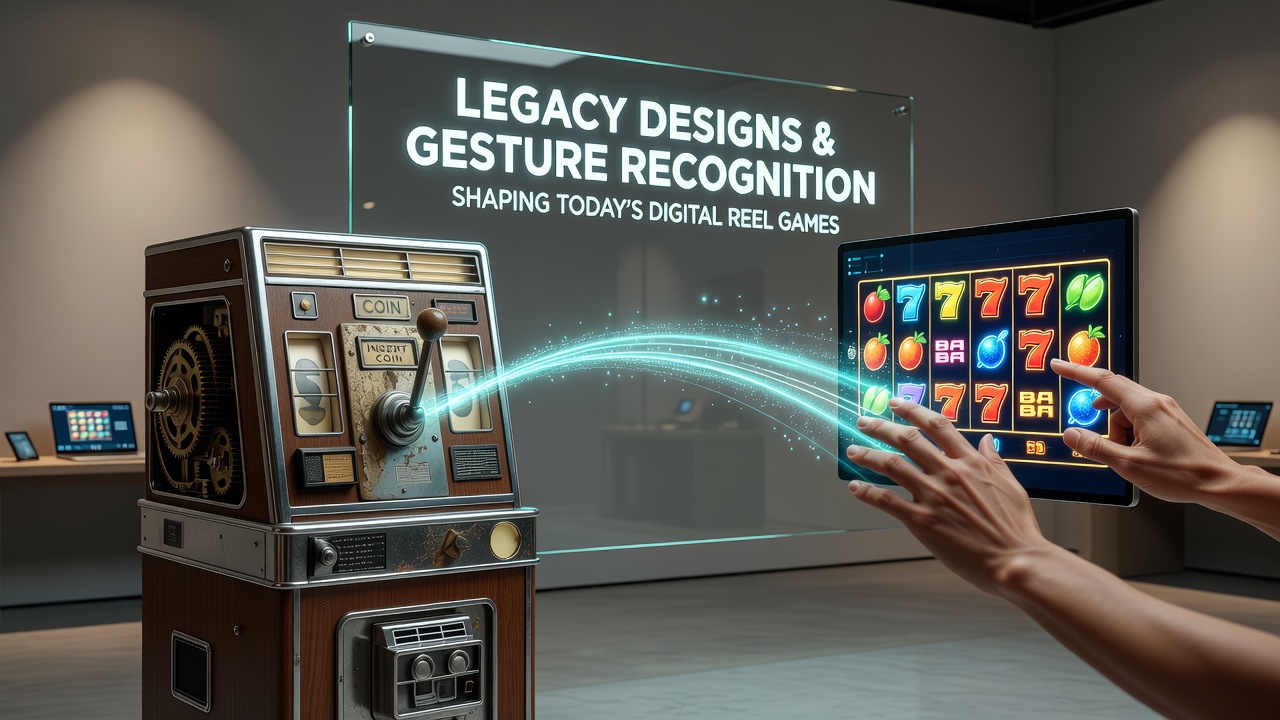
Early coin-operated machines relied on physical levers that players pulled to set reels in motion, and those mechanical actions established movement patterns that continue to shape gesture recognition algorithms in today's digital reel games. Designers studied how the downward pull and release motion created consistent input signals, which later informed the swipe and drag functions now embedded in mobile and desktop interfaces. Data from industry reports shows that many current systems map finger trajectories directly to those original lever arcs, allowing software to interpret velocity and direction with precision that matches historical mechanics.
From Physical Pulls to Touch Recognition Frameworks
Engineers at companies developing reel software examined patent records and museum archives to replicate the tactile feedback loops once provided by metal handles and springs. This research led to gesture libraries where a vertical swipe downward activates spinning sequences, while varying pressure levels trigger bonus features that echo the old "nudge" buttons on mechanical cabinets. Observers note that session data collected across platforms in 2025 revealed players instinctively use these motions without instruction, suggesting the legacy designs remain embedded in user behavior.
Regulatory bodies such as the Nevada Gaming Control Board have documented how interface standards evolved alongside hardware changes, with gesture calibration tests now required for approval in certain jurisdictions. Figures from their annual summaries indicate that games incorporating legacy-mapped gestures maintain consistent engagement metrics compared to earlier button-only versions. And manufacturers continue to refine these systems by cross-referencing historical machine schematics with contemporary sensor data.
Algorithm Development and Sensor Integration
Software teams integrate accelerometer readings and capacitive touch data to distinguish between casual taps and deliberate gesture sequences that replicate lever pulls. One study from a Canadian research consortium examined how tilt angles in vintage machines influenced modern gyroscope responses in handheld devices, leading to features where slight device rotation adjusts reel speed in real time. These adaptations appear in titles released throughout 2026, with updates noted during November testing cycles at major testing labs.
What's interesting is the way clustering algorithms now group similar gesture patterns across thousands of player sessions, identifying regional preferences that trace back to different coin-op eras. European markets, for instance, show higher adoption of multi-finger drags that correspond to machines with dual-lever setups from the mid-20th century. Industry associations including the Gaming Standards Association have published guidelines that encourage developers to preserve these mappings while meeting accessibility requirements for varied motor skills.
Regional Variations and Platform Adaptations
Australian regulatory frameworks administered through state gaming authorities have highlighted how gesture recognition reduces physical wear on devices compared to repeated button presses, citing maintenance data from venue operators. In parallel, academic papers from university engineering departments detail experiments where participants performed legacy-style pulls on touchscreens, with results feeding directly into probability models for reel outcomes. Developers apply these findings when optimizing games for both high-volume casino floors and portable instant-play environments.
November 2026 saw several platform providers release firmware patches that improved gesture latency by referencing archived mechanical timing charts. These updates addressed edge cases such as partial swipes that once corresponded to incomplete lever returns on older equipment. Players encounter smoother transitions between base spins and feature rounds as a result, with system logs confirming fewer interrupted sequences across tested titles.
Future Interface Refinements Based on Historical Precedents
Continued analysis of coin-operated archives informs upcoming sensor arrays that may incorporate haptic feedback calibrated to the resistance levels of original springs and ratchets. Research institutions across North America and Asia have begun collaborative projects that map physical machine wear patterns onto digital durability projections for touch surfaces. Such work ensures that gesture systems remain reliable as hardware scales to new form factors like foldable screens and augmented-reality overlays.
Conclusion
Legacy lever designs from coin-operated machines supply foundational movement templates that gesture recognition technology in digital reel games continues to build upon. Sensor calibration, regional testing data, and cross-industry standards all draw from these historical references to maintain functional continuity while advancing platform capabilities. Ongoing documentation from regulatory and research sources supports further refinements that align player input habits with evolving hardware constraints.