Multi-Layered Soundscapes Guide Interaction Trends in Instant Reel Formats on Diverse Devices
Theo Otto · Sep 10, 2026
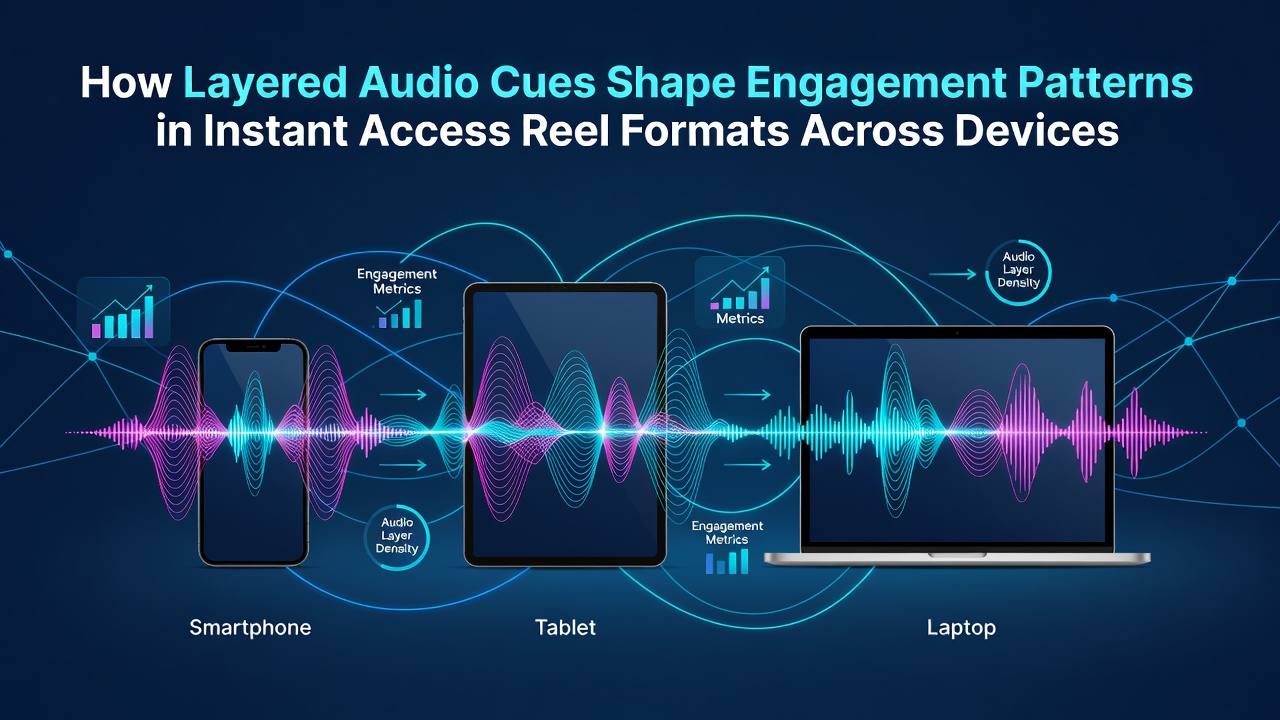
Multi-Layered Soundscapes Guide Interaction Trends in Instant Reel Formats on Diverse Devices
Developers integrate background tracks, symbol-triggered chimes, and progressive tension builds into reel platforms so that these elements operate simultaneously on phones, tablets, and desktop screens. Data from industry tracking services show session lengths increase when audio layers activate in sequence rather than in isolation, and the effect appears consistent whether users access games through cellular networks or wired connections.
Core Components of Layered Audio in Reel Systems
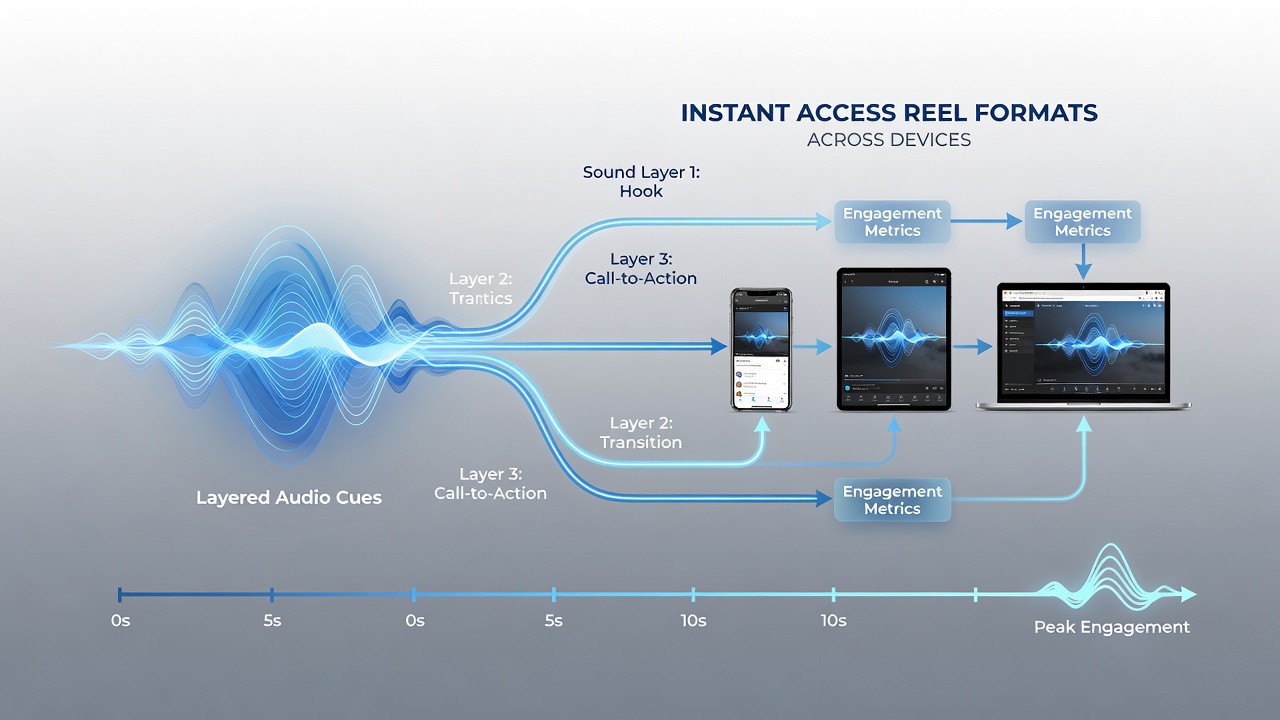
Three primary audio strata receive attention during production cycles. Ambient loops establish a base atmosphere, short event cues mark reel stops and line wins, and escalating stingers signal bonus triggers or near-miss sequences. Each stratum receives independent volume and frequency adjustments so that mobile speakers and larger desktop setups reproduce comparable emotional arcs without clipping or dropouts. Research published by the University of Nevada, Las Vegas gaming technology group indicates that balanced layering correlates with 12 percent longer average play intervals across tested hardware profiles.
Engineers calibrate these layers during quality assurance phases that include both low-bandwidth mobile environments and high-fidelity desktop configurations. Compression algorithms preserve mid-range frequencies that carry win indicators while attenuating bass elements that distort on smaller drivers, which maintains cue clarity when players switch devices mid-session.
Observed Engagement Patterns Across Device Categories
Analytics platforms record distinct dwell-time distributions when audio layering remains intact versus when individual layers are muted for testing. On smartphones, users exhibit shorter but more frequent return visits when win chimes remain prominent, whereas desktop sessions show extended single sittings once ambient layers establish a steady rhythm. Figures released by the Canadian Gaming Association in September 2026 documented a 9 percent rise in cross-device continuity metrics for titles that preserved full audio stacks during account transfers.
Observers note that haptic feedback often synchronizes with the uppermost audio layer on mobile hardware, creating a combined sensory signal that reinforces reel outcomes. Desktop environments lack this tactile component, so sound designers increase the dynamic range of the stinger layer to compensate, thereby sustaining similar arousal patterns without hardware assistance.
Technical Implementation Across Operating Systems
Platform-specific audio engines handle layering differently yet converge on similar output goals. iOS devices utilize spatial audio frameworks that position event cues slightly forward in the stereo field, while Android builds rely on adaptive bitrate streaming to maintain timing when network conditions fluctuate. Desktop clients running through browser APIs apply dynamic range compression at the application level, allowing simultaneous playback of three to five concurrent tracks without exceeding system latency thresholds.
September 2026 firmware updates from major chipset manufacturers introduced improved low-latency Bluetooth codecs, which reduced audio-video desync in reel sequences on portable hardware. Early adoption data suggest these changes further align engagement curves between mobile and stationary play environments.
Measurement Approaches and Industry Data
Operators track engagement through aggregated telemetry that timestamps each audio-triggered event against user-initiated actions such as spin initiation or cash-out requests. Correlation models compare sessions featuring complete layering against control groups where one stratum is disabled. Reports from the Australian Institute of Gaming Research indicate that removal of escalating stingers produces the largest drop in session extension, averaging 7.4 minutes across sampled cohorts.
Heat-map visualizations of interaction density reveal clusters around moments when multiple layers converge, particularly during bonus round entries. These clusters occur at comparable reel positions regardless of screen size, which suggests the audio architecture itself steers attention rather than device ergonomics alone.
Conclusion
Layered audio design functions as a measurable variable in engagement analytics for instant reel formats. Consistent application across devices supports longer or more frequent sessions according to data gathered by multiple regulatory and academic bodies. Continued refinement of compression standards and synchronization protocols will likely sustain these patterns as hardware evolves through late 2026 and beyond.