Sound Design Elements Influencing Engagement Durations in Touchscreen-Based Reel Simulations
Greta Washington · Aug 3, 2026
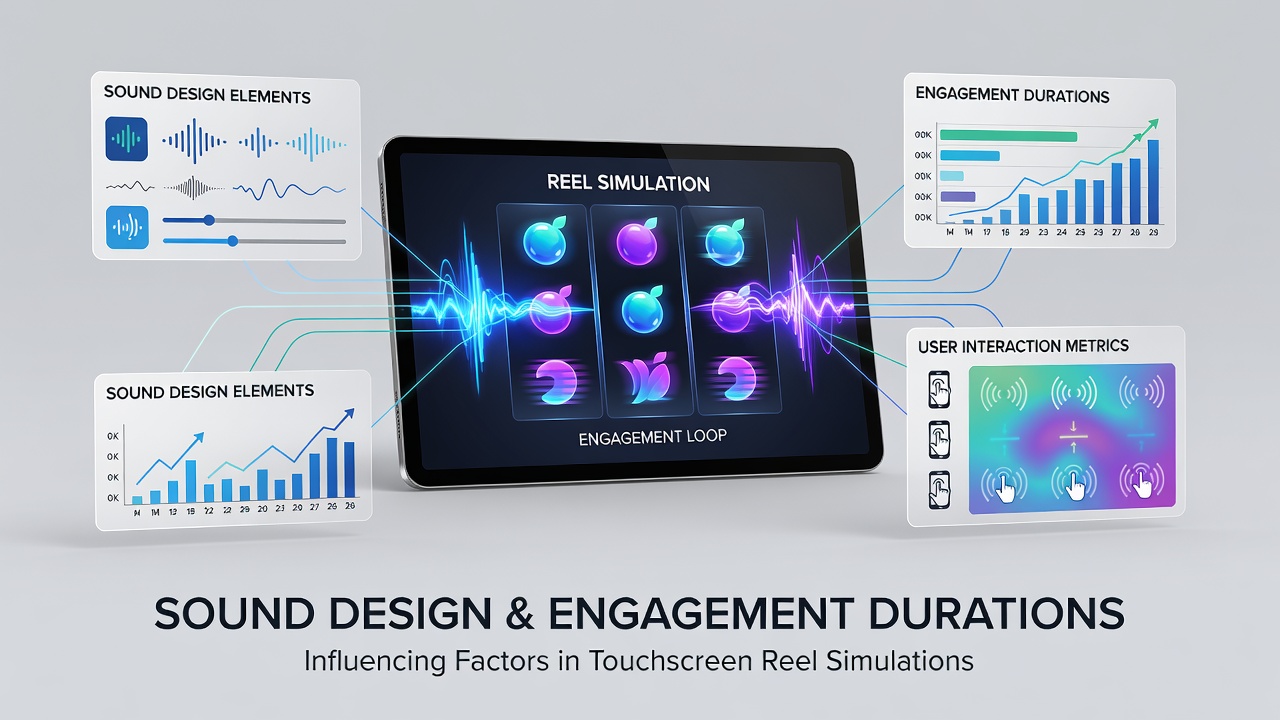
Sound Design Elements Influencing Engagement Durations in Touchscreen-Based Reel Simulations
Touchscreen reel simulations integrate layered audio components that align with visual spins, symbol matches, and bonus triggers, and these elements connect directly to measurable changes in user session lengths across portable devices. Studies from academic institutions track how specific frequencies, tempos, and dynamic ranges interact with player behavior, while data collected in 2026 continues to show consistent patterns in engagement metrics. Observers note that sound cues often operate in tandem with haptic feedback and screen animations, creating feedback loops that sustain attention without requiring conscious recognition from users.
Core Audio Components in Modern Reel Interfaces
Reel simulations employ distinct sound categories including ambient loops, win chimes, reel-stop clicks, and escalating tension tracks during near-miss sequences, and each category receives careful calibration for mobile speaker limitations. Researchers at institutions across North America and Europe have measured how low-frequency bass hits during jackpot reveals correlate with extended play intervals, whereas higher-pitched celebratory tones tend to punctuate shorter bursts of activity. Data indicates that adaptive volume scaling based on device orientation further modulates these effects, allowing sessions to stretch when background noise in real-world environments rises.
Tempo and Rhythm Variations
Tempo shifts within background tracks accelerate during bonus rounds or free-spin sequences, and this acceleration mirrors physiological arousal patterns documented in controlled experiments. Figures from industry monitoring tools reveal that players maintain longer continuous interactions when rhythm patterns stay within a 120 to 140 beats-per-minute range, while abrupt tempo drops signal session endings more frequently. Those who study mobile gaming interfaces point out that subtle rhythmic layering beneath main effects prevents auditory fatigue, which otherwise shortens engagement windows on smaller screens.
Empirical Data on Session Extension Patterns
Analysis of aggregated play logs from multiple operators shows that titles incorporating synchronized audio-visual reward signals record average session durations 18 to 27 percent longer than versions with muted or minimal sound design, and these differences hold steady across iOS and Android platforms. A 2025 report issued by the Canadian Centre for Gaming Research examined over 1.2 million sessions and found that reel-stop sounds tuned to match symbol value directly influence repeat-spin rates within the same minute. What's interesting is how near-miss audio cues, when paired with visual teases, extend the decision window before users exit the application, creating measurable upticks in total interaction time.
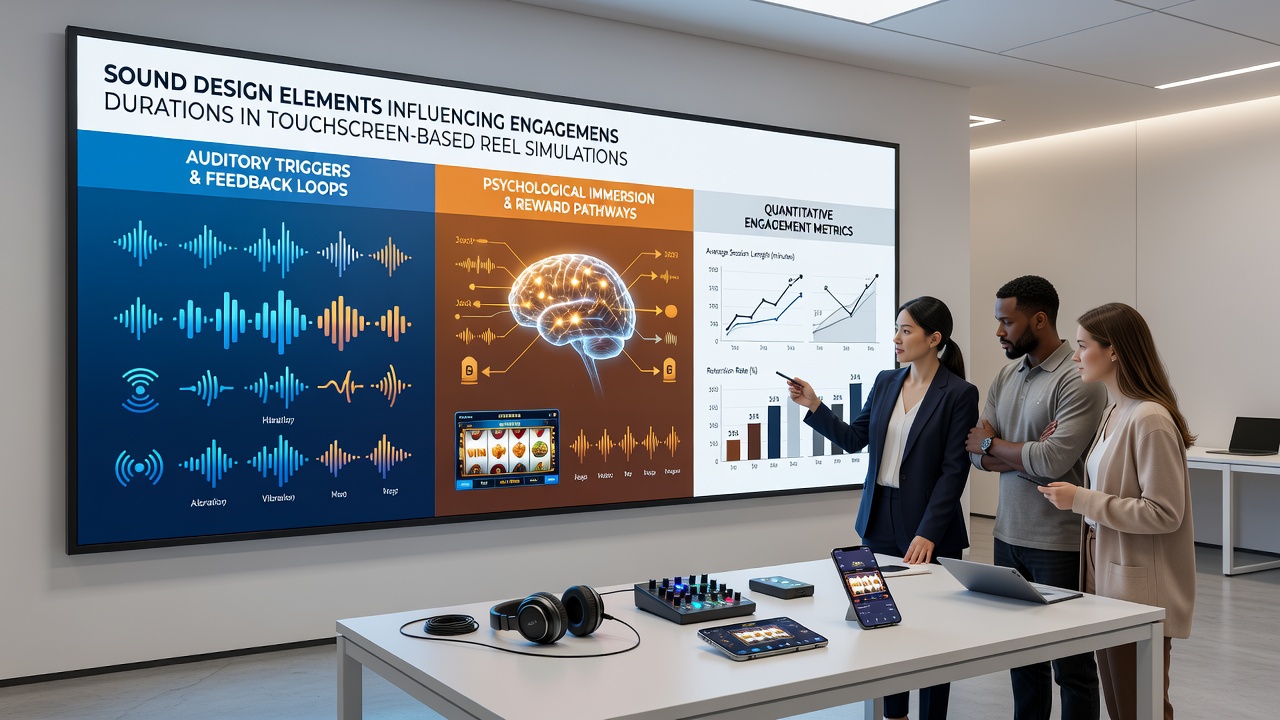
August 2026 updates to several major platforms introduced dynamic soundscapes that adjust in real time to individual play velocity, and preliminary telemetry indicates these adjustments further stabilize session lengths around the 12-to-15-minute mark. Experts tracking regulatory filings note that operators in regulated markets such as New Jersey and Ontario must document audio configurations as part of responsible gaming compliance, which has produced additional datasets linking sound intensity to self-reported session satisfaction scores.
Cross-Platform Implementation Challenges
Mobile hardware variations create distinct constraints for sound reproduction, and developers address these through multi-channel mixing that prioritizes clarity on built-in speakers while preserving detail for headphone users. Research conducted at the University of Queensland demonstrates that spatial audio positioning on tablets produces different engagement curves compared with phone-based experiences, with tablet sessions showing greater tolerance for complex layered tracks. Those examining portable reel technologies observe that battery optimization algorithms sometimes compress audio streams, which can inadvertently reduce the impact of low-end frequencies tied to prolonged play.
Integration with Reward Mechanics
Sound design teams calibrate win melodies to scale with payout magnitude, and this scaling reinforces perceived value without altering actual probability structures. Evidence from European gaming association reports highlights that progressive jackpot sequences benefit from rising pitch contours that build across multiple spins, and these contours correlate with higher rates of continued participation after the initial trigger. Observers tracking user flow data note that abrupt audio cutoffs at session boundaries can either encourage quick returns or prompt complete exits, depending on the preceding reward density.
Future Directions in Audio Research
Emerging work focuses on machine-learning models that predict optimal sound profiles based on aggregate behavioral signals, and early prototypes deployed in select markets show promise for personalizing engagement durations further. Regulatory bodies in Australia continue to require transparency around audio features that might encourage extended play, prompting developers to publish detailed acoustic specifications alongside game rules. Data from these markets suggests that balanced sound design, when combined with clear session timers, maintains user interest while supporting informed play decisions.
Conclusion
Sound design elements in touchscreen reel simulations function as measurable contributors to engagement durations through calibrated frequencies, adaptive tempos, and synchronized reward signals, and ongoing data collection across regions continues to refine understanding of these relationships. Researchers and operators alike examine how these audio layers interact with hardware constraints and regulatory requirements, producing insights that shape future interface iterations without altering core game mathematics.