The Legacy of Mechanical Reel Timing in Contemporary Mobile Slot Designs
Wendy Hoffmann · Aug 7, 2026
The Legacy of Mechanical Reel Timing in Contemporary Mobile Slot Designs
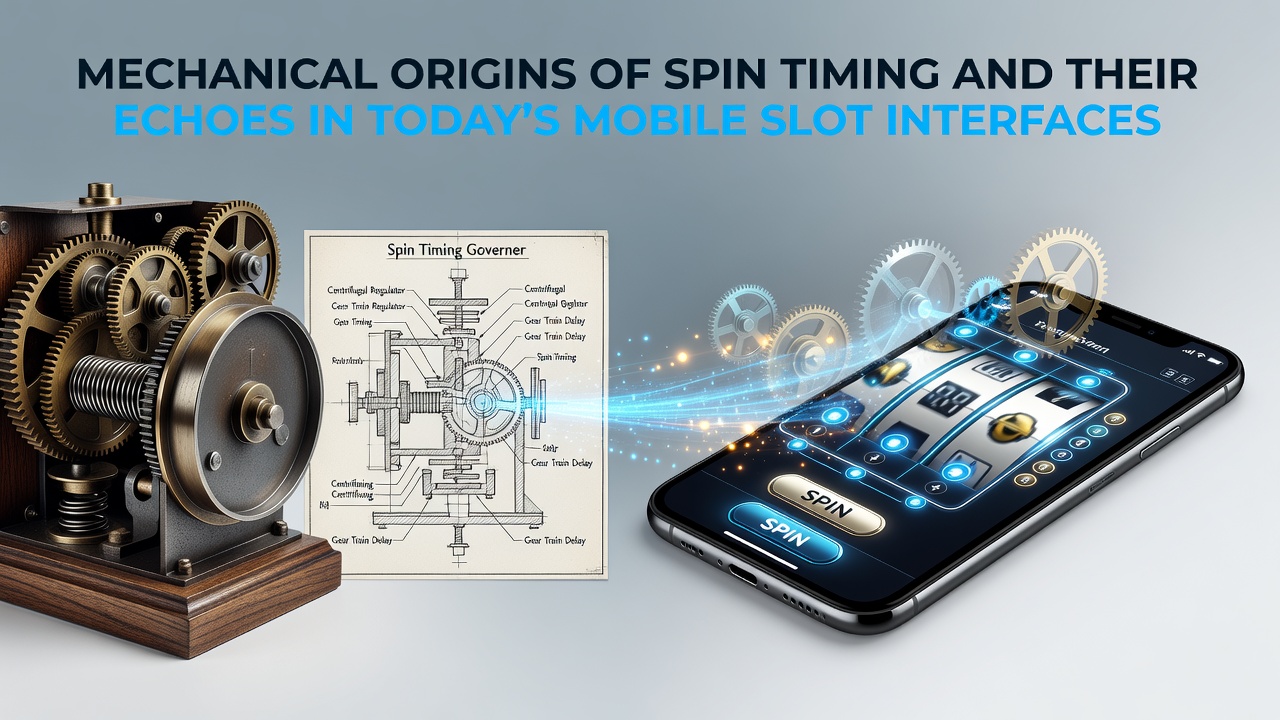
Mechanical slot machines from the early 20th century relied on physical components such as springs, gears, and electric motors to determine spin durations and reel stops, and those same timing principles continue to shape the algorithms behind today's mobile slot interfaces even as hardware has shifted entirely to digital formats. Engineers in the 1930s and 1940s calibrated motor speeds and friction points so that reels would coast to a halt after a consistent number of rotations, creating predictable yet variable intervals between the pull of the lever and the final alignment of symbols, while contemporary mobile developers embed similar variable delay sequences into random number generators to replicate that organic feel on touchscreens.
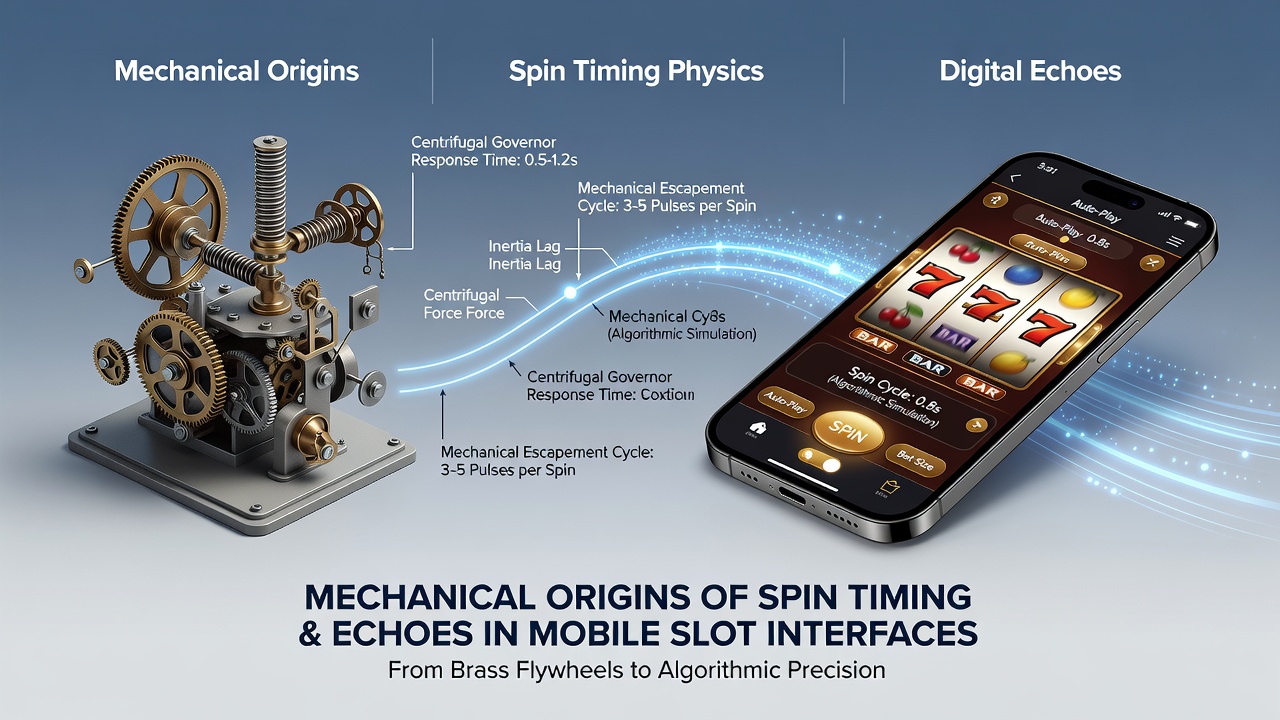
Research into early electromechanical systems shows that manufacturers like Mills and Jennings incorporated weighted cams and escapement mechanisms that introduced micro-variations in spin length, preventing exact repetition across consecutive plays, and these same variability patterns appear in the frame-rate adjustments and animation easing curves used by modern game studios to keep sessions engaging on portable devices. Data from industry archives indicates that average spin cycles on mechanical machines ranged between 2.8 and 4.2 seconds depending on reel count and motor voltage, figures that align closely with the default animation lengths programmed into many mobile titles released through 2026.
Core Mechanical Components and Their Timing Functions
Physical reels mounted on metal shafts connected to synchronous motors formed the backbone of timing control, and once a player activated the handle the motor would run for a set number of revolutions before a braking arm engaged the reel assembly, yet the precise moment of brake application depended on accumulated wear and temperature fluctuations inside the cabinet. Observers note that technicians routinely adjusted spring tension and lubricant viscosity to maintain consistent stop intervals across fleets of machines, practices that established industry standards still referenced in digital design specifications today.
Those who've examined surviving units from the 1950s discover that each reel carried an individual timing disk etched with notches that triggered micro-switches at specific angular positions, generating electrical pulses that synchronized multiple reels during multi-line play, and mobile developers translate these notched-disk patterns into lookup tables that govern symbol landing sequences across clustered reels on small screens. Studies conducted by university engineering departments have mapped these historical pulse sequences onto current mobile frame buffers, revealing direct correspondences between mechanical pulse timing and the staggered symbol-drop animations common in handheld instant-play environments.
Transition to Electronic and Digital Replicas
By the late 1970s manufacturers replaced physical motors with stepper motors driven by circuit boards, preserving the same coast-and-brake timing logic while eliminating most moving parts, and this hybrid approach laid the groundwork for fully software-based reel engines that power mobile slots in August 2026. Circuit diagrams from that era illustrate how voltage decay curves after power cutoff produced the final slowing phase of each reel, an effect now simulated through easing functions in animation libraries that run on smartphones and tablets.
Regulatory filings submitted to the Nevada Gaming Control Board document the gradual replacement of mechanical timing hardware with electronic substitutes during the 1980s, showing that average spin intervals remained statistically unchanged even after the hardware shift, and similar continuity appears in performance metrics published by Canadian provincial gaming authorities monitoring mobile platform compliance. Game studios therefore retain these interval ranges when optimizing titles for 5G networks, ensuring that latency spikes do not disrupt the expected rhythm players associate with traditional reel behavior.
Implementation in Current Mobile Interfaces
Contemporary mobile slot engines use pseudo-random number generators seeded at the start of each spin to select both outcome and duration parameters, then map those values onto layered animation timelines that echo the multi-phase deceleration once produced by physical brake arms. Developers calibrate these timelines against historical mechanical data sets so that short spins feel snappy while longer ones build anticipation, a balance that mirrors the variable motor run times documented in mid-century service manuals.
Industry reports from the Gaming Standards Association highlight how haptic feedback motors in smartphones now reproduce the subtle vibration patterns once caused by spinning metal reels inside wooden cabinets, adding another layer of sensory continuity between eras. Figures released by Australian state regulators in mid-2026 confirm that player session lengths on mobile platforms remain consistent with those recorded on older electronic machines when animation timing parameters stay within established mechanical ranges.
Conclusion
The mechanical origins of spin timing continue to influence mobile slot design through preserved interval statistics, phased deceleration curves, and synchronized multi-reel logic that originated in physical hardware yet persist in software form. As platforms evolve, developers reference these foundational patterns to maintain continuity across generations of play, ensuring that the echoes of early timing systems remain embedded in the digital experiences available on portable screens in August 2026 and beyond.